Pelvic floor recovery After birth: New expert recommendations
Pelvic floor recovery is one of the most important parts of healing after childbirth, yet many new mothers are surprised by means of how a good deal those muscles have an impact on each day consolation, bladder manage, posture, and lengthy-time period center power. The pelvic ground works like a supportive hammock for the bladder, uterus, and bowels, and pregnancy places substantial pressure on this area lengthy before hard work starts offevolved. After beginning—whether vaginal or cesarean—professionals agree that guided healing is important for restoring electricity thoroughly. contemporary studies has introduced new understanding to pelvic ground recuperation, providing sensible, gentle strategies that help mothers regain confidence, movement, and luxury with out strain. With the proper approach, recovery can be smoother, extra powerful, and better supported than ever earlier than.
knowledge Pelvic floor changes After Childbirth
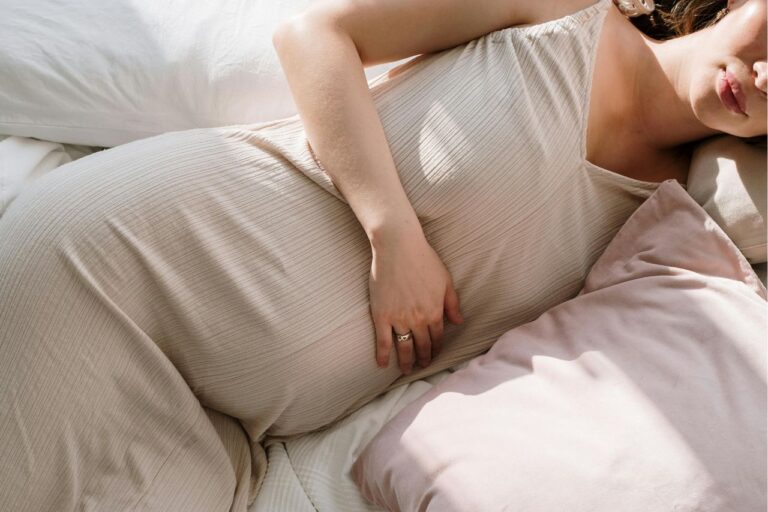
being pregnant naturally stretches the pelvic floor because the frame makes room for the growing baby. Hormones like relaxin and progesterone loosen ligaments and soften tissues, creating the power wished for transport. even as that is essential, it also means the pelvic floor becomes temporarily weakened. Vaginal delivery adds extra strain because the muscular tissues stretch significantly, or even girls who supply through cesarean enjoy pelvic ground pressure because pregnancy on my own changes the shape and load on those muscle groups.
those adjustments may result in sensations consisting of heaviness, stress, problem controlling urine when coughing or laughing, or a feeling of weak point inside the lower core. some women even experience disconnected from their stomach area, especially if diastasis recti—belly separation—additionally developed throughout pregnancy. professionals emphasize that these signs and symptoms are commonplace and commonly transient, but they require attention and guided exercises to avoid long-time period problems.
research suggests that early, gentle interest to the pelvic ground supports healing and improves lengthy-time period restoration. however, many women were mistakenly told to start best Kegel sports, despite the fact that new studies display that strengthening on my own isn’t sufficient. The pelvic floor have to be both robust and cozy, functioning with the breath and core as one coordinated machine. understanding this stability helps new mothers construct a foundation for secure recovery that improves comfort, mobility, and balance day by day.
New science-backed techniques for recovery and Strengthening
cutting-edge pelvic fitness experts propose a aggregate of respiratory, mobility, relaxation, and strength-building practices as opposed to relying completely on traditional Kegel exercises. the primary and most critical technique is diaphragmatic respiration. Deep, slow respiration allows reconnect the center and pelvic floor through permitting the muscular tissues to make bigger and contract certainly. while you inhale, the diaphragm actions down, and the pelvic ground releases; whilst you exhale, the pelvic ground gently lifts. This natural rhythm strengthens the area without strain and prepares it for extra lively sports later.
another technological know-how-backed advice is to cognizance on proper posture in daily moves. Many new moms instinctively lean ahead, grip their middle tightly, or tuck their pelvis below whilst maintaining their toddler. those behavior by chance growth strain at the pelvic ground. professionals now educate impartial alignment, in which the ribs stack over the pelvis, allowing the core to characteristic greater correctly. Small shifts in posture in the course of feeding, lifting, or even standing can shield the pelvic ground and decrease pain.
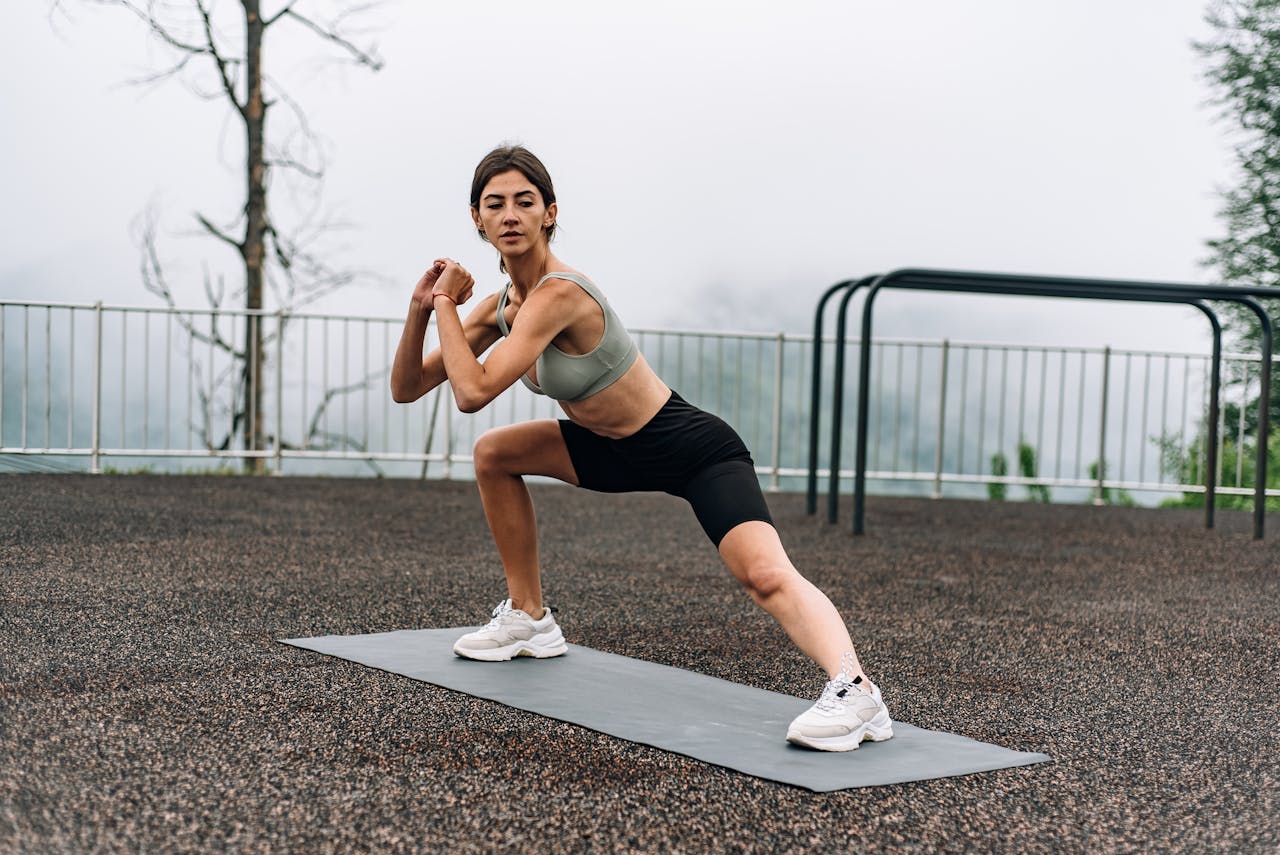
Early mobility is also endorsed, as long as it’s miles gentle and ache-unfastened. light walking helps movement and promotes healthful muscle activation inside the pelvis and decrease stomach. actions like hip circles, cat-cow stretches, and controlled squats—done slowly and with out stress—additionally help reintroduce motion effectively. research suggests that staying lightly active in the course of postpartum healing improves restoration speed, muscle coordination, and ordinary comfort.
Strengthening physical games come later and are most effective whilst guided by way of a pelvic ground therapist. in place of focusing only on contractions, specialists endorse full-range moves that assist the pelvic ground agreement and relax. This balanced technique builds purposeful power, supporting the muscular tissues support regular activities like lifting, bending, and taking walks. over the years, this mixture of respiration, posture schooling, mobility, and strengthening creates a solid foundation that protects the pelvic floor at some stage in postpartum life.
commonplace mistakes That gradual Down Pelvic floor recuperation
no matter the significance of pelvic ground healing, many new moms unknowingly adopt habits that postpone or complicate recovery. one of the most common errors is returning to intense exercise too quickly. excessive-impact workout routines, heavy lifting, running, and belly crunches can growth stress on the pelvic floor before it is prepared. this can worsen symptoms like leakage or pelvic heaviness. specialists now advise assessing pelvic floor readiness with mild exercises first and steadily constructing depth beneath guidance.
some other frequent mistake is holding the breath during recurring obligations. Breath-holding increases stomach strain, which pushes downward at the pelvic ground. New mothers regularly try this unintentionally while lifting the baby, status up from a chair, or wearing gadgets. Coordinating breath with motion—exhaling during attempt—reduces pressure and helps recuperation.
Ignoring symptoms is every other problem. Many women trust that leaking urine or feeling heaviness is everyday after start and will subsequently disappear on its own. at the same time as mild symptoms can improve naturally, continual discomfort have to no longer be disregarded. Early attention prevents long-term difficulties and helps quicker recovery. being attentive to the frame is vital; discomfort is a signal, no longer something to push thru.
some girls additionally unknowingly over-tighten their pelvic ground muscle mass. an excessive amount of squeezing—specially without rest—creates anxiety in preference to strength. a tight muscle is not strong; it is fatigued. This imbalance can cause discomfort, trouble emptying the bladder, or a regular heavy feeling. understanding the way to loosen up the pelvic floor is similarly crucial as strengthening it.
subsequently, loss of relaxation can delay healing. The postpartum length is traumatic, and sleep is regularly confined. but, prioritizing moments of relaxation in the course of the day supports tissue restore and hormone law. short breaks, aware breathing, and reduced physical stress make a large difference. recognizing those common pitfalls allows mothers method recovery with extra confidence and keep away from setbacks.
expert-recommended every day conduct for stronger Pelvic ground recovery
modern pelvic fitness specialists emphasize that restoration happens progressively, thru steady small habits as opposed to unexpected changes. one of the maximum helpful every day practices is intentional respiration. Taking a few minutes every morning and nighttime to practice deep, managed breaths reconnects the core, promotes move, and decreases tension. Many mothers discover that pairing this with mild stretching improves mobility and comfort.
another encouraged habit is integrating pelvic cognizance into everyday sports. while lifting the baby, status up, or sporting baggage, specialists advise exhaling throughout the attempt and preserving the pelvis in a impartial role. these small adjustments shield the pelvic floor from needless strain and enhance it clearly over the years.
Hydration and nutrients also play diffused but critical roles. Staying hydrated helps tissue elasticity, and balanced food help the frame repair muscle and connective tissue. Fiber-wealthy meals additionally guide relaxed digestion, which reduces stress during bowel moves—some thing critical for pelvic ground fitness.
Pelvic floor professionals strongly endorse scheduling a postpartum pelvic fitness assessment, regardless of how the delivery went. This assessment provides personalized steerage, identifies unique wishes, and helps save you long-time period troubles. Early reviews also can help moms experience extra assured with the aid of addressing concerns before they come to be extra full-size.
sooner or later, movement is prime. mild on foot, stretching, and steadily increasing energy-targeted routines assist repair coordination and guide normal healing. specialists endorse taking note of the body day by day—if something feels heavy, painful, or uncomfortable, it’s miles a sign to gradual down. Sustainable restoration comes from respecting the frame’s tempo, not pushing past its limits.